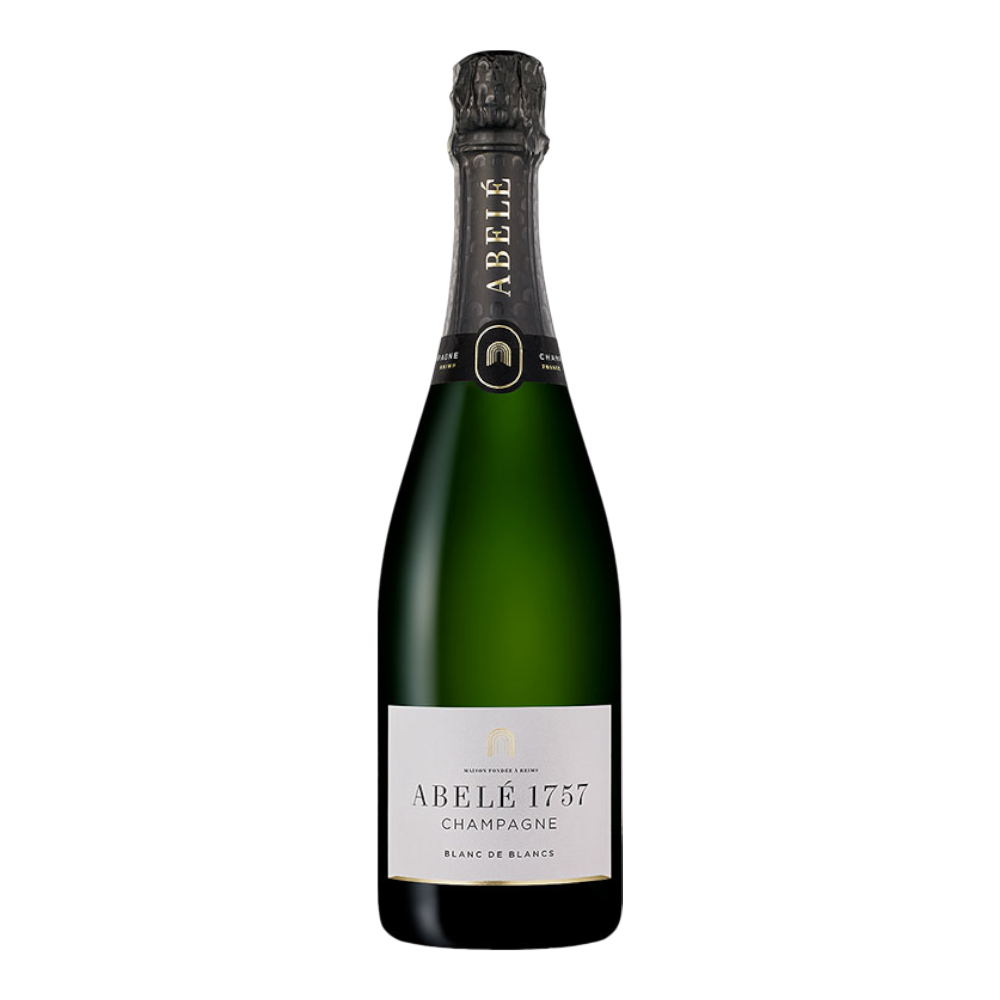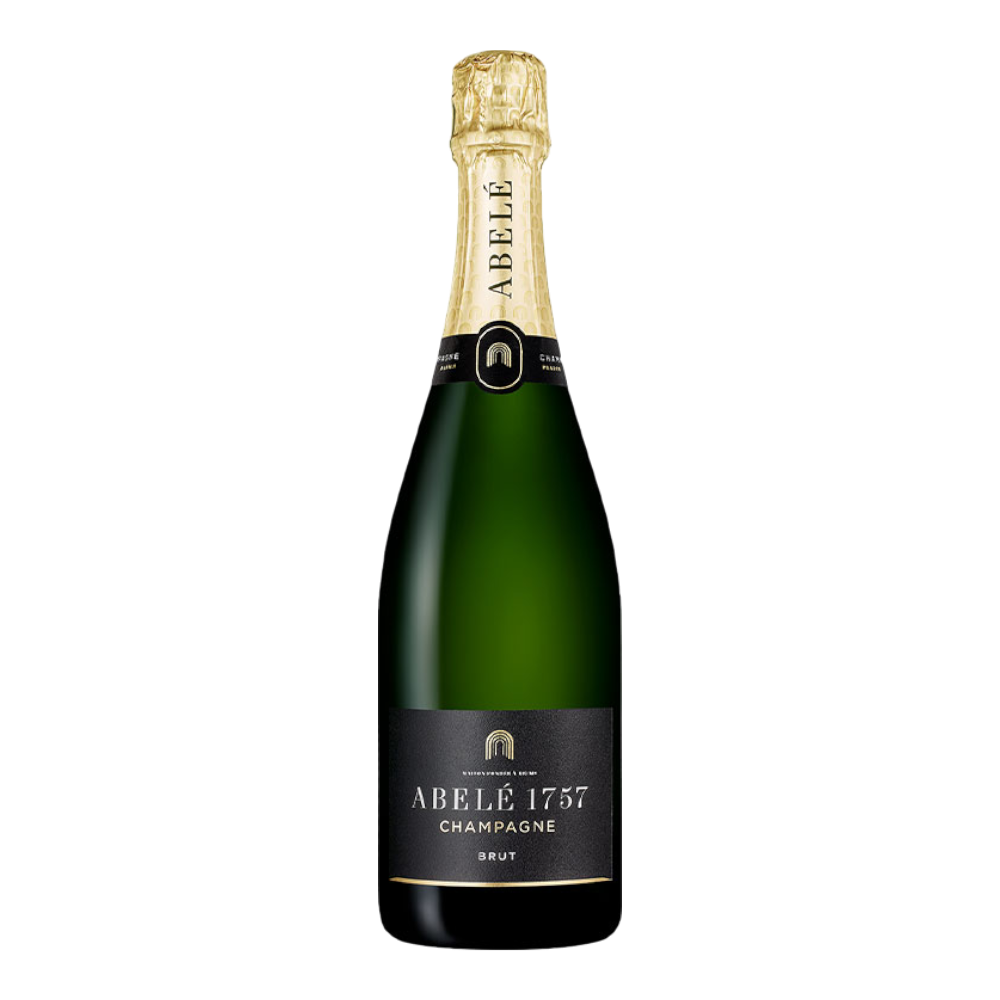
French sparkling wines
AVAILABLE / IN STOCK / WHILE STOCKS LAST
Our catalogue
Bollinger Rosé & Scented Candle – Gift Box
92,95 € incl VATLaurent Perrier La Cuvee 1,5L (magnum) with giftbox
129,95 € incl VATVeuve Clicquot Brut Rosé 75cl with giftbox
63,50 € incl VATVeuve Clicquot New Rich Rosé 75cl
63,50 € incl VATLaurent-Perrier Cuvée Rosé 75cl + 2 glasses
125,50 € incl VATLouis Roederer Brut Collection 245 75cl
57,00 € incl VATMoët & Chandon Ice Impérial 1,5L (Magnum)
133,95 € incl VATDrappier Brut Nature Rosé 75cl
47,50 € incl VATPiper-Heidsieck Brut Rosé Sauvage 75cl
43,50 € incl VATDrappier Blanc de Blancs Brut 75cl
44,95 € incl VATBollinger B13 2013 75cl
149,95 € incl VATClassification of French sparkling wines for sale
According to color
FRENCH SPARKLING WINES - WHITE
French white sparkling wines are characterized by their finesse, balanced acidity, and mineral notes. They come from cold climates that enhance their freshness and elegance.
FRENCH SPARKLING WINES - ROSÉ
They offer delicate bubbles and aromas of red fruits and flowers, with a smoother texture than white sparkling wines. They are ideal for sophisticated appetizers or light dishes.
According to region
CHAMPAGNE
A symbol of prestige and tradition, Champagne is produced exclusively in the Champagne region using the traditional méthode champenoise. Its profile combines complexity, creaminess, and a persistent bubble.
Crémant is produced in several French regions and also follows the traditional method. It is smoother and more accessible, with a regional character shaped by the grape variety and the terroir.
OTHERS
France has locally produced, lesser-known sparkling wines that offer fresh, fruity, and more experimental styles, reflecting the country’s viticultural diversity.
According to type
DRY
A medium-sweet sparkling wine, it preserves the typical French vibrancy but with a more enveloping texture. Ideal for sweet-and-sour dishes or soft cheeses.
BRUT NATURE
A sparkling wine with no added sugar, dry and straightforward, highlighting the purity of the base wine and the character of the soil where the grapes grew.
EXTRA BRUT
It maintains a dry style but with a slight roundness on the palate. Ideal for those seeking a balance between minerality and smoothness.
BRUT
The most versatile and widely consumed in France. Its balance between freshness and body makes it perfect for pairing with fish, seafood, or poultry.
Sweeter and more aromatic, with notes of candied fruits. It is often served with light desserts or French pastries.
How to choose the perfect French sparkling wine
Our recommendations
If you're looking for sophistication and complexity, Champagne is the undisputed benchmark, with its fine bubbles and perfect balance of freshness and creaminess. For an excellent value option, Crémant is an ideal alternative: it's made using the same traditional method and reflects the diversity of French terroirs.
Each type of sparkling wine is suited to a different occasion. Brut Nature and Extra Brut are perfect for those who enjoy dry and refined wines, ideal for pairing with seafood or light appetizers.
Brut or Extra Dry whiskies offer balance and versatility, perfect for complete meals. If you prefer more rounded flavors, Semi-Dry and Sweet whiskies are an excellent choice for desserts or special occasions.
Sweetness levels in French sparkling wines
The level of sweetness is one of the most important factors when choosing a French sparkling wine. This table will help you understand how much sugar each type of sparkling wine contains and on what occasions to enjoy it to fully appreciate its nuances.
| Type | Sugar per liter | Sweetness level | Ideal for |
|---|---|---|---|
| Brut Nature | 0–3 g/l | Very dry | Seafood, oysters, savory snacks |
| Extra Brut | 0–6 g/l | Dry | Sushi, ceviches, white fish |
| Brut | 0–12 g/l | Balanced dry | Full menus, poultry, soft pasta |
| Extra Seco | 12–17 g/l | Light semi-dry | Foie gras, quesos cremosos, canapés |
| Dry | 17–32 g/l | Half | Sweet and sour dishes, mild Asian cuisine |
| Semiseco | 32–50 g/l | Moderate sweet | Fruit desserts, tarts, brunch |
| Sweet | > 50 g/l | Very sweet | Pastries, chocolate desserts, celebrations |
Advantages of buying our sparkling wines from France
Espumosos.es offers a wide and complete range of sparkling wines made using French methods. You can order your preferred wines from home, and they will be carefully delivered to your door within 3 business days.
WHAT MAKES FRENCH SPARKLING WINES DIFFERENT FROM OTHER TYPES OF WINES?
French sparkling wines have become a global benchmark. Their main difference from other sparkling wines lies in the production method: most are produced using the traditional or méthode champenoise, which involves a second fermentation inside the bottle, resulting in fine and persistent bubbles, as well as a creamy and complex texture.
Another key characteristic is the importance of terroir. In France, the soil, climate, and grape varieties determine the style of each sparkling wine: from the elegance and minerality of Champagne to the balanced freshness of Crémant de Loire or the aromatic intensity of Crémant de Bourgogne.
Furthermore, French regulations establish very demanding quality controls, guaranteeing wines with identity, balance and refinement that reflect the history and savoir-faire of the country.
OUR FRENCH SPARKLING WINE OF THE MONTH
Tsarine Brut 75CL
Tsarine Brut Blend, made with Chardonnay, Pinot Noir, and Meunier grapes and aged for 24-36 months, is distinguished by its elegance and freshness. It has a pale golden color, persistent bubbles, and aromas of citrus and white fruit, with hints of toast. On the palate, it is creamy, balanced, and has a harmonious finish. Created by Chanoine Frères, the second oldest Champagne house, it pays homage to Tsarist Russia. Its spiral bottle evokes the domes of Saint Basil's Cathedral.
FAQs
What is the difference between Champagne and other French sparkling wines?
Champagne can only be produced in the Champagne region, under a very strict designation of origin. Other French sparkling wines, such as Crémant, are produced in different regions and tend to have a fruitier and more approachable character, although they are also made using the traditional method.
Why is champagne usually more expensive than other sparkling wines?
Champagne is more expensive due to its stringent production regulations, long aging process, and the historical prestige of its region. Furthermore, its artisanal process and rigorous quality control guarantee a high-end product.
What grapes are used to produce Champagne and Crémant?
Champagne is predominantly made with Chardonnay, Pinot Noir, and Pinot Meunier. Crémants, on the other hand, can use local varieties depending on the region, such as Chenin Blanc, Aligoté, or Cabernet Franc, contributing unique profiles.
What is the ideal temperature for serving a French sparkling wine?
The optimal temperature is between 6°C and 8°C. Serving it colder reduces the aromas; serving it warmer intensifies the bubbles. Ideally, chill the bottle in an ice bucket with ice and water for about 20 minutes.
How to store a bottle of champagne or crémant before opening it?
It should be stored horizontally in a cool, dark place, free from vibrations. Temperature variations or direct light can alter its flavor and bubbles.
How long can a French sparkling wine be stored once opened?
Once opened, it should be kept in the refrigerator with a specific airtight cap for sparkling wines and consumed within 48 hours, before it loses its fizz.
What type of French sparkling wine is best to give as a gift?
Brut or Vintage champagne is ideal for special gifts due to its elegance and prestige. If you're looking for something different, a Crémant de Bourgogne or Crémant d'Alsace offers an excellent alternative with great quality.
Which is the best French sparkling wine for desserts or sweet meals?
For desserts, semi-dry or sweet Crémants are highly recommended, as they balance the wine's acidity with the sweetness of tarts or fruit. A Demi-Sec Champagne can also be excellent for fine pastries.
Which regions of France produce sparkling wines besides Champagne?
Besides Champagne, other notable regions include Alsace, Burgundy, the Loire Valley, Bordeaux, Jura, and Limoux. Each region contributes its own style, based on local grapes and climate.
How to properly open a bottle of champagne without losing bubbles?
Hold the cork with one hand, tilt the bottle at a 45° angle, and gently twist the base, not the cork. Let out just a small sigh, not a pop: this will help preserve the bubbles.
How many days will it take for the wine to arrive at my house?
Entre 3 y 5 días laborables (si está en stock).